
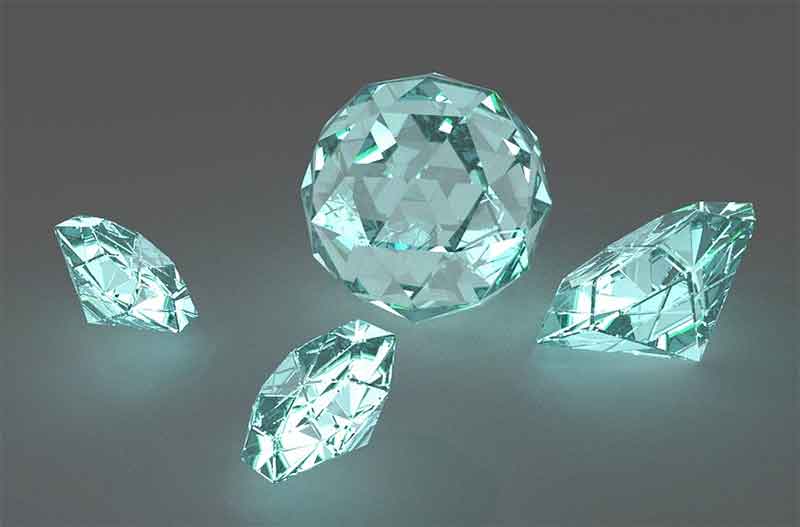
How Can You Tell If a Diamond Is Real? – Are you pondering over a sparkling gemstone, wondering if it’s the real deal? Diamonds, with their timeless allure, often leave us in awe.
But how do you know if what you’re holding is a genuine diamond or just a clever imitation?
Don’t worry; we’ve got you covered! In this article, we’ll dive into the fascinating world of diamonds and unveil how you can tell if a diamond is real. So, let’s embark on this sparkling journey together!
Understanding the Characteristics of Diamonds
The first step in “how can you tell if a diamond is real” is to know the characteristics of diamonds.
Diamonds are renowned for their exceptional brilliance and durability.
However, to distinguish a real diamond from a counterfeit, it’s essential to understand its unique characteristics.
Brilliance and Fire
One of the distinctive features of diamonds is their unmatched brilliance and fire. When exposed to light, a genuine diamond will reflect and refract light in a mesmerizing display of colors, known as “fire.”
The intricate facets of a diamond interact with light, creating a dazzling spectacle that is hard to replicate.
Hardness
Diamonds are the hardest natural substance on Earth, scoring a perfect 10 on the Mohs scale of mineral hardness. This exceptional hardness makes diamonds resistant to scratches and abrasions.
To test a diamond’s hardness, try scratching it with a lower-hardness material, such as glass. If the diamond remains unscathed, chances are it’s real.
Transparency and Clarity
Another characteristic of genuine diamonds is their transparency and clarity. Under magnification, real diamonds typically exhibit minimal to no internal flaws or inclusions.
While some natural diamonds may contain imperfections, known as inclusions, they are often microscopic and do not detract from the stone’s beauty.
On the other hand, synthetic diamonds or imitations may have noticeable imperfections or air bubbles within the stone.
Conducting Basic Visual Inspections
Visual inspections are a quick and easy way to assess the authenticity of a diamond. By closely examining the stone and its setting, you can uncover valuable clues that indicate whether it’s a real diamond or not.
The Fog Test
One popular method to test a diamond’s authenticity is the fog test. Simply breathe on the surface of the diamond to create a layer of moisture.
If the fog dissipates quickly, leaving no residue on the stone, it’s likely a real diamond. Authentic diamonds have high thermal conductivity, causing the fog to disperse rapidly.
Examining Mountings and Settings
Inspecting the mounting or setting of a diamond can also provide valuable insights. Genuine diamonds are often set in high-quality metals such as platinum, gold, or sterling silver.
Additionally, the setting should be secure, with prongs or claws holding the diamond firmly in place.
If the setting appears cheaply made or lacks attention to detail, it could indicate that the diamond is not authentic.
Weight and Size Discrepancies
Be wary of diamonds that appear unusually large or heavy for their size. While large diamonds do exist, they are relatively rare and command a high price.
If a diamond seems disproportionately large or heavy compared to its carat weight, it may be a synthetic or imitation stone.
Using Professional Gemological Testing
For a definitive assessment of a diamond’s authenticity, consider seeking the expertise of a professional gemologist.
Gemological testing involves a range of scientific techniques and instruments to analyze the properties of a diamond accurately.
Diamond Grading Laboratories
Diamonds are typically evaluated and certified by reputable diamond grading laboratories such as the Gemological Institute of America (GIA) or the American Gem Society (AGS).
These independent organizations employ stringent grading standards and state-of-the-art equipment to assess the quality and authenticity of diamonds.
A diamond certificate from a recognized grading lab assures its authenticity and quality.
Advanced Testing Methods
Gemologists utilize advanced testing methods such as spectroscopy, microscopy, and thermal conductivity testing to analyze the unique characteristics of diamonds.
Spectroscopy involves examining the light absorption and emission properties of a diamond to identify its chemical composition and origin.
Microscopic examination allows gemologists to inspect the internal features of a diamond, including its inclusions and crystal structure.
Thermal conductivity testing measures how efficiently a diamond conducts heat, providing further insights into its authenticity.
Avoiding Common Pitfalls
Lastly and no less important in “How can you tell if a diamond is real” is to avoid common pitfalls.
When purchasing a diamond, it’s essential to be vigilant and aware of common pitfalls that could lead to buying a fake or misrepresented stone.
Unrealistic Pricing
If a diamond is priced significantly below market value, it should raise red flags.
Genuine diamonds command a certain price based on factors such as cut, color, clarity, and carat weight. Beware of deals that seem too good to be true, as they may involve synthetic or counterfeit diamonds.
Lack of Documentation
Always insist on proper documentation when purchasing a diamond, especially for larger or more valuable stones.
A reputable seller should provide a diamond certificate from a recognized grading laboratory, detailing the stone’s characteristics and authenticity.
Without proper documentation, you run the risk of purchasing a misrepresented or synthetic diamond.
Why Are There So Many Fake Diamonds on the Market?
After reading the “How can you tell if a diamond is real” guide above, you might be wondering, why are there so many fake diamonds on the market?
The prevalence of fake diamonds in the market can be attributed to various factors, ranging from technological advancements to the allure of diamond’s value.
Let’s delve into some of the primary reasons behind the abundance of counterfeit diamonds:
1. Technological Advancements in Diamond Synthesis
With the advent of advanced technology, it has become increasingly easier to produce synthetic diamonds that closely mimic the appearance and properties of natural diamonds.
Techniques such as High-Pressure High Temperature (HPHT) and Chemical Vapor Deposition (CVD) allow manufacturers to create diamonds in controlled laboratory settings.
These synthetic diamonds, while not inherently fraudulent, can sometimes be misrepresented or sold as natural diamonds, contributing to the proliferation of fake stones in the market.
2. Profit Motive
The diamond industry is highly lucrative, with natural diamonds commanding significant prices due to their rarity and perceived value. This profitability creates incentives for unscrupulous individuals to engage in diamond fraud, including the sale of fake or misrepresented stones.
By passing off synthetic or low-quality diamonds as genuine, sellers can capitalize on consumer demand and command higher prices, leading to an influx of counterfeit diamonds in the market.
3. Lack of Regulation and Oversight
Unlike other industries that are subject to stringent regulations and quality control measures, the diamond market has historically operated with relatively lax oversight. This lack of regulation creates loopholes that allow counterfeiters to exploit unsuspecting consumers.
Without standardized certification processes or mandatory disclosure requirements, it becomes easier for fake diamonds to circulate within the market undetected.
4. Consumer Demand and Perception
The enduring allure of diamonds as symbols of wealth, status, and romance fuels consumer demand for these precious gemstones.
However, this demand also creates a fertile ground for counterfeiters looking to capitalize on the lucrative market.
Some consumers may be unaware of the intricacies involved in diamond authentication and may fall victim to fraudulent schemes.
Additionally, the perception of diamonds as investment assets further incentivizes the production and sale of fake stones, as unscrupulous sellers seek to exploit investor sentiment.
5. Globalization and E-Commerce
The rise of globalization and e-commerce has facilitated the proliferation of counterfeit goods, including fake diamonds, on a global scale.
Online marketplaces provide a convenient platform for sellers to reach a wide audience with minimal oversight. This anonymity and lack of face-to-face interaction make it easier for fraudulent sellers to operate without fear of detection.
Moreover, the sheer volume of transactions conducted online makes it challenging for authorities to monitor and regulate every aspect of the diamond trade effectively.
The prevalence of fake diamonds in the market can be attributed to a combination of technological advancements, profit motives, lax regulation, consumer demand, and the proliferation of e-commerce.
To mitigate the risk of purchasing counterfeit diamonds, consumers are advised to educate themselves on diamond authentication techniques, seek reputable sellers, and insist on proper documentation and certification when making diamond purchases.
By exercising caution and vigilance, consumers can safeguard themselves against falling prey to diamond fraud.
Conclusion
So, how can you tell if a diamond is real?
In conclusion, identifying a real diamond requires a combination of knowledge, observation, and sometimes professional expertise.
By understanding the unique characteristics of diamonds, conducting visual inspections, and utilizing professional gemological testing, you can confidently determine the authenticity of a diamond.
Remember to exercise caution when purchasing diamonds and always seek reputable sellers who provide proper documentation and transparency.
So, the next time you encounter a sparkling gemstone, you’ll know exactly how to tell if it’s the real deal!
More about diamonds:
- Diamond Buying Guide: How to Choose, Verify and Care for
- Negative Effects of Wearing Diamonds
- April Birthstone: Diamond | Alternative Stones

Gemstone Nation is an expert in the world of gemstones, with years of experience studying rare minerals. They are a trusted authority in the field, dedicated to unlocking the secrets of precious gems and sharing their knowledge with others. GemstoneNation’s passion for gemstones is contagious, making their writing and research engaging and informative for both collectors and enthusiasts alike. If you’re interested in learning more about the beauty and significance of natural stones, GemstoneNation is your go-to source for expert insights and analysis.